Elevating Digital Lettering: A Practical Review of the Norch Design 2 Last Procreate Brush
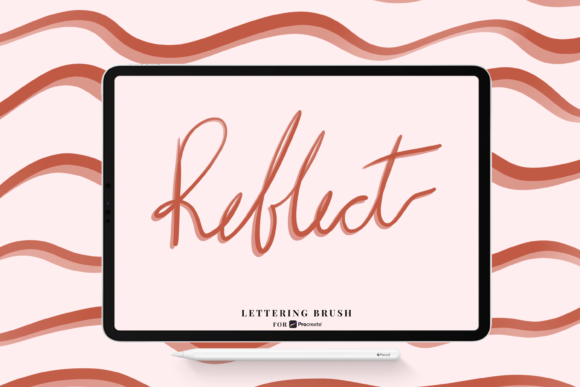
In the rapidly evolving landscape of digital art, the tools an artist chooses can significantly influence both workflow efficiency and aesthetic outcome. For designers specializing in typography, modern calligraphy, and hand-lettered graphics, finding a brush that mimics the organic feel of traditional media while leveraging the precision of digital software is a constant pursuit. The Procreate Brush - Norch Design 2 Last has emerged as a notable resource for artists working within the iPad ecosystem. This tool is not merely a standard digital pen; it is a hand-drawn asset designed specifically to bring texture, elegance, and a human touch to lettering projects.
Understanding whether this specific brush set aligns with your creative needs requires a look beyond marketing claims. It involves evaluating its technical requirements, its distinct visual characteristics, and how it compares to other methods of creating digital typography. This analysis aims to provide a balanced perspective for adults aged 20 to 50 who are researching digital design resources, comparing alternatives, or seeking to enhance their home workspace and professional portfolio.
Defining the Norch Design Aesthetic and Functionality
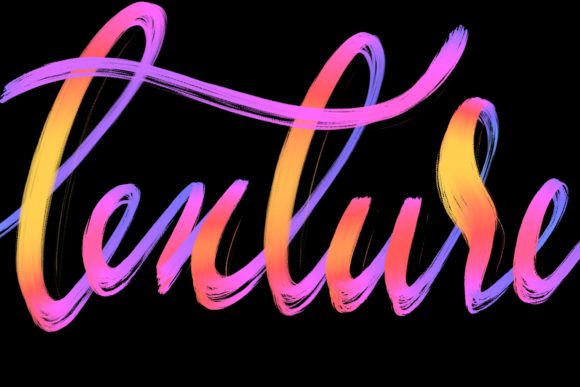
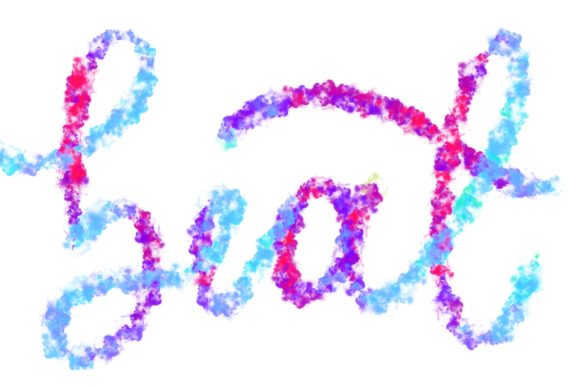
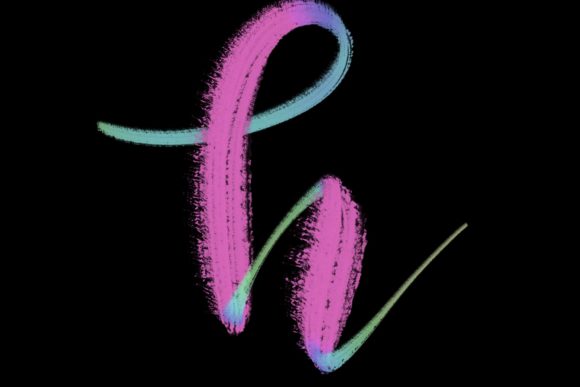
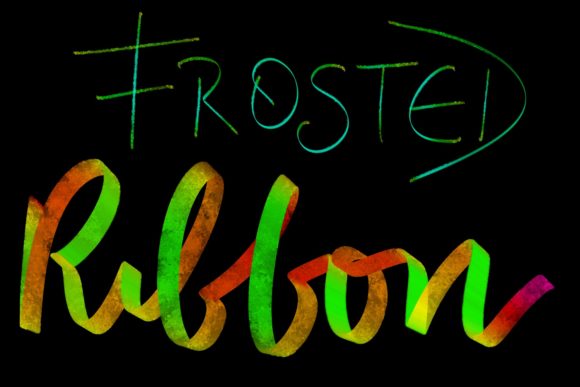
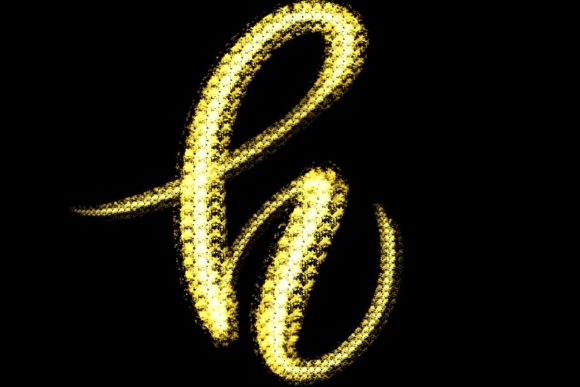
The core appeal of the Norch Design 2 Last brush lies in its origin. Unlike algorithmic brushes that generate uniform strokes based on mathematical curves, this brush is hand-drawn. This distinction is crucial for lettering artists who strive to avoid the sterile, overly perfect look often associated with vector-based typography software. The brush is engineered to respond to pressure sensitivity, allowing for dynamic line weight variation that mirrors the behavior of traditional nibs or broad-edge markers.
Designed primarily for modern calligraphy and elegant lettering, this tool enables users to create graphics that feel authentic and warm. The "Norch" style tends to favor clean yet textured lines, making it suitable for a wide array of applications. From wedding stationery and greeting cards to logo designs and social media quote graphics, the brush facilitates a level of sophistication that can be difficult to achieve with standard round or flat digital brushes. The result is a workspace that feels less like a technical interface and more like a creative studio, helping to jazz up both digital projects and the physical environment where they are created.
Technical Requirements and Compatibility Constraints
Before investing time in mastering this tool, it is essential to understand its hardware dependencies. The Procreate Brush - Norch Design 2 Last is exclusively compatible with the Procreate app on iPad. More specifically, it requires an iPad Pro or a compatible iPad model that supports pressure-sensitive input via the Apple Pencil. This is not a limitation of the file format alone but a functional necessity; the brush’s ability to vary stroke width and opacity relies entirely on the pressure data transmitted by the stylus.
It is critical to note that this brush is not suitable for Photoshop, Illustrator, or any desktop-based computer software. Artists who rely primarily on mouse-driven workflows or non-pressure-sensitive tablets will find this tool ineffective. Furthermore, those using older generations of iPads without Apple Pencil support will not be able to utilize the brush’s core features. This specificity means that the Norch brush is a targeted solution for a specific subset of digital artists—those already invested in the Apple ecosystem and the Procreate platform.
Comparative Analysis: Hand-Drawn Brushes vs. Vector Tools
When evaluating options for creating lettering and logos, designers typically choose between raster-based hand-lettering (using tools like Norch) and vector-based typography (using tools like Adobe Illustrator). Each approach offers distinct tradeoffs.
- Vector Tools: Offer infinite scalability and precise geometric control. They are ideal for corporate branding where exact replication is required. However, they often lack the organic imperfections that convey warmth and personality.
- Hand-Drawn Digital Brushes: Provide immediate artistic expression and natural texture. The Norch Design 2 Last falls into this category. It allows for rapid iteration and a human feel but requires careful handling to ensure legibility and consistency across different sizes.
For projects such as wedding invitations, personalized greeting cards, or lifestyle brand logos, the organic nature of the Norch brush often provides a competitive advantage. The slight variations in line weight and texture create a sense of exclusivity and craftsmanship that vector fonts struggle to replicate without extensive manual manipulation. Conversely, for large-scale signage or technical diagrams where uniformity is paramount, a vector-based approach might remain the superior choice.
Practical Use Cases and Creative Applications
The versatility of the Procreate Brush - Norch Design 2 Last extends beyond simple handwriting. Its design allows it to serve as a foundational element in various graphic design contexts. Consider the following practical applications:
- Wedding Stationery: The elegant, flowing lines of the brush are well-suited for names and dates on invitations. The hand-drawn quality adds a personal touch that resonates with the intimate nature of wedding events.
- Social Media Graphics: Quote designs and inspirational posts benefit from the visual interest provided by textured lettering. The brush allows creators to produce unique assets that stand out in crowded feeds, avoiding the generic look of standard system fonts.
- Logo Design for Boutique Brands: Small businesses in sectors like beauty, wellness, and artisanal goods often seek branding that feels approachable and high-end. The Norch brush can help craft logotypes that balance professionalism with artistic flair.
- Home Decor and Printables: Artists can use the brush to create digital prints for home decor, such as framed quotes or kitchen art. The ability to customize every letter ensures that the final product is unique to the buyer’s preferences.
Evaluating the Tradeoffs: When to Choose Norch and When to Look Elsewhere
No single tool is universally ideal. Making an informed decision involves recognizing when the Norch Design 2 Last is the right fit and when alternative resources might better serve your goals.
Choose the Norch Brush if:
- You own an iPad Pro and Apple Pencil and are comfortable working within the Procreate interface.
- Your primary focus is on lettering, calligraphy, or hand-drawn typography.
- You value organic texture and human imperfection in your designs.
- You need to create bespoke, one-of-a-kind pieces rather than mass-produced, identical templates.
Consider alternative options if:
- You work primarily on a desktop computer using Photoshop or Illustrator.
- You require fully scalable vector files for large-format printing without loss of quality.
- You prefer a standardized, uniform font style over custom hand-lettering.
- You do not have a pressure-sensitive stylus, as the brush will not function as intended.
Integrating the Brush into Your Workflow
Successfully incorporating the Procreate Brush - Norch Design 2 Last into your routine requires practice. While the brush is designed to be intuitive, achieving consistent results demands an understanding of pressure control and stroke speed. Beginners may find it helpful to start with simple monograms or short words before attempting complex phrases. Additionally, combining the Norch brush with other Procreate features, such as layer blending modes and texture overlays, can enhance the final output, adding depth and dimension to the lettering.
It is also advisable to experiment with canvas resolution. Since Procreate is a raster-based program, working at a high DPI (dots per inch) ensures that the detailed textures of the brush remain crisp when exported for print. This is particularly important for professional applications like wedding stationery or commercial logos, where print quality is non-negotiable.
Final Thoughts on Digital Lettering Resources
The Norch Design 2 Last represents a specialized tool for a specific creative niche. It bridges the gap between traditional calligraphy and digital convenience, offering a way to produce elegant, hand-crafted designs without the mess of ink and paper. For artists who meet the hardware requirements and whose style aligns with modern calligraphy, this brush set can be a valuable addition to their digital toolkit. However, it is not a universal solution. By carefully considering your hardware setup, project requirements, and aesthetic goals, you can determine whether this hand-drawn resource is the right choice for your next design endeavor. The key lies in matching the tool’s strengths—organic texture, pressure sensitivity, and artistic flexibility—with the specific demands of your creative work.